
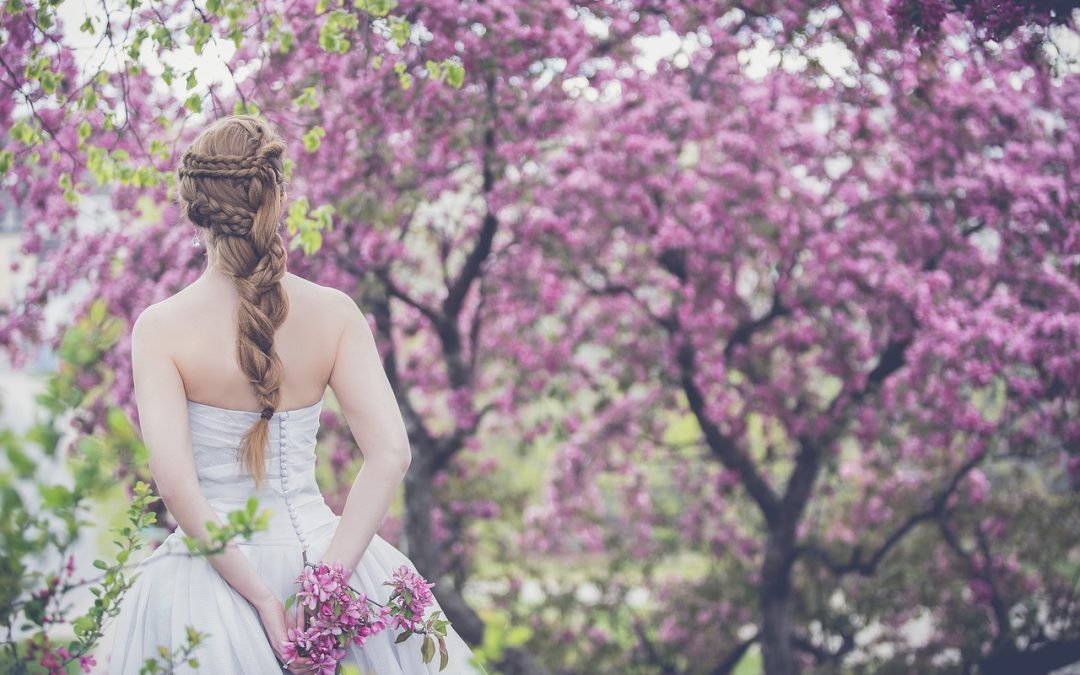
Un ritual:
Desde tiempos inmemoriales, el vestido de novia ha sido mucho más que una simple prenda: es un símbolo poderoso de transición, identidad y celebración. Su ritual, que incluye la elección, la prueba y el momento de vestirlo, tiene raíces profundas en la historia y la cultura de cada sociedad.
Sabias que es: Un Vínculo con la Historia y la Tradición
El acto de elegir un vestido para el día de la boda es un reflejo de siglos de costumbres. En la antigua Roma, las novias vestían túnicas blancas como símbolo de pureza y nuevos comienzos, mientras que en la Edad Media, los colores vibrantes representaban riqueza y estatus. Fue en el siglo XIX, con la boda de la reina Victoria, que el vestido blanco se convirtió en el estándar de romanticismo y elegancia.(Reina Victoria del Reino Unido 1837-1901)
El Vestido como Ritual de Transformación
Más allá de su belleza estética, el vestido de novia marca una transición importante en la vida de una mujer. Es el símbolo tangible de su paso de una etapa a otra, de su vida individual a la unión con otra persona. Ponérselo en el día de la boda no es solo un acto de vestirse, sino un momento cargado de emoción y significado, en el que la novia se ve reflejada en su nueva identidad.
El Poder de la Elección y la Personalización
Hoy en día, el ritual del vestido de novia ha evolucionado, convirtiéndose en una expresión personal. Cada novia elige su vestido no solo por estética, sino por cómo la hace sentir: poderosa, audaz, única, radiante. Es una pieza que habla de su esencia y de la historia que está a punto de escribir.
El Momento de Vestirse: Un Acto Sagrado
Cuando la novia se coloca su vestido el día de la boda, el ambiente se llena de emoción. Es un instante íntimo, muchas veces compartido con familiares y amigos cercanos, que refuerza los lazos afectivos y la importancia del compromiso que está a punto de asumir.
El ritual del vestido de novia es, en esencia, un reflejo de la belleza del amor y la tradición. No es solo un vestido, es el comienzo de una historia.
#tumomento
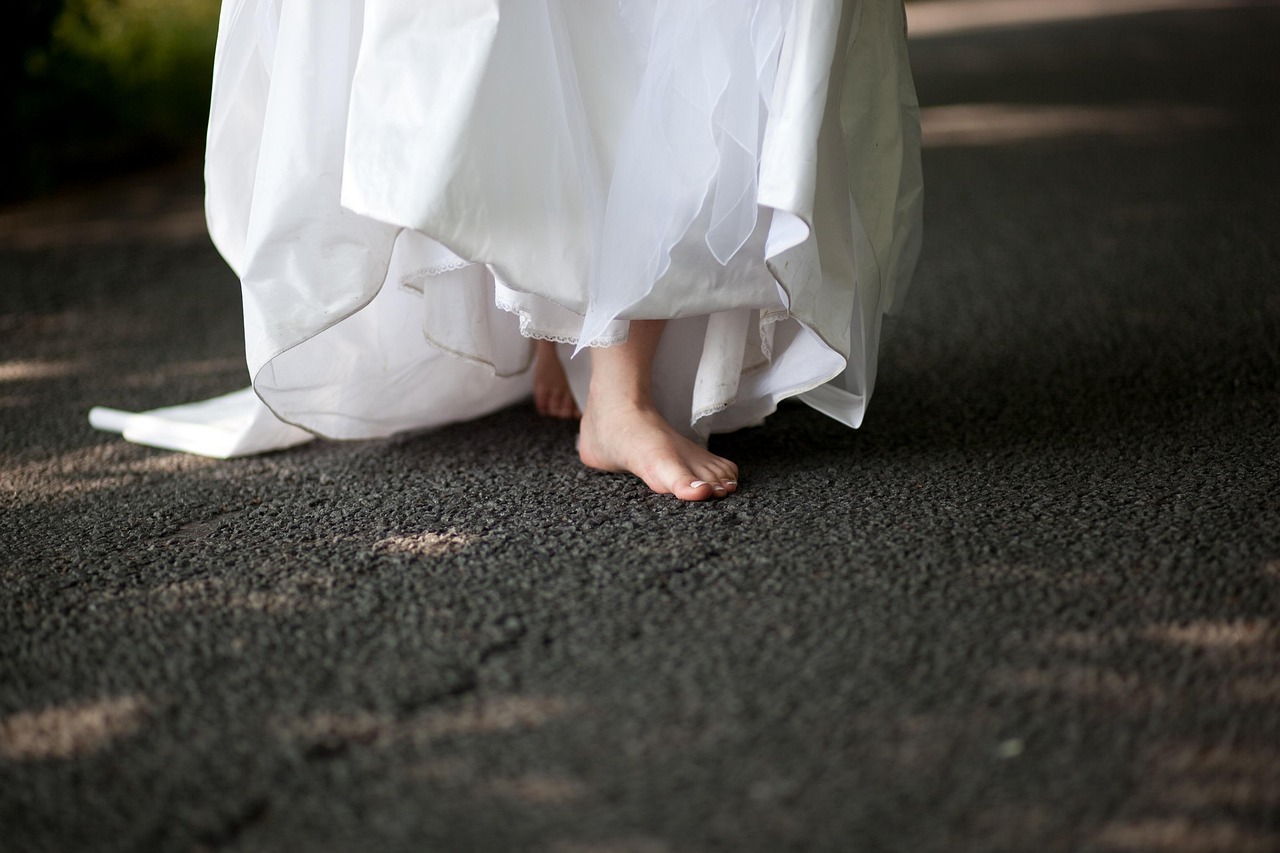
A Symbol of Transformation and Commitment
A Ritual:
Since time immemorial, the wedding dress has been much more than just a garment—it is a powerful symbol of transition, identity, and celebration. The ritual surrounding it, from the selection process to the fittings and the moment of wearing it, has deep roots in the history and culture of every society.
Did You Know? A Bond with History and Tradition
The act of choosing a wedding dress reflects centuries of tradition. In ancient Rome, brides wore white tunics as a symbol of purity and new beginnings, while in the Middle Ages, vibrant colors represented wealth and status. It was in the 19th century, with the wedding of Queen Victoria (United Kingdom, 1837-1901), that the white dress became the ultimate standard of romance and elegance.
The Dress as a Ritual of Transformation
Beyond its aesthetic beauty, the wedding dress marks a significant transition in a woman’s life. It is the tangible symbol of her passage from one stage to another, from her individual life to a union with another person. Wearing it on the wedding day is not just an act of dressing but a moment filled with deep emotion and meaning, where the bride sees herself reflected in her new identity.
The Power of Choice and Personalization
Today, the ritual of the wedding dress has evolved into a form of personal expression. Every bride chooses her dress not just for its beauty but for how it makes her feel—powerful, bold, unique, radiant. It is a piece that speaks to her essence and the story she is about to create.
The Moment of Dressing: A Sacred Act
When the bride puts on her dress on her wedding day, the atmosphere fills with emotion. It is an intimate moment, often shared with close family and friends, reinforcing emotional bonds and the importance of the commitment she is about to make.
The ritual of the wedding dress is, at its core, a reflection of the beauty of love and tradition. It is not just a dress; it is the beginning of a story.
#yourmoment