
Las dietas pueden ser una herramienta útil, pero muchas tienen un enfoque extremo o poco sostenible, lo que te lleva al famoso «efecto rebote». La clave no es vivir a dieta, sino adoptar un estilo de alimentación saludable a largo plazo.
¿Qué pasa con las dietas restrictivas?
Pueden causar déficit de nutrientes, afectando la energía y el metabolismo. Generan ansiedad y hambre extrema, lo que puede llevar a atracones.
No crean hábitos saludables, sino que funcionan a corto plazo.
Algunas, como las dietas muy bajas en carbohidratos o grasas, pueden afectar la salud hormonal.
Entonces, te recomiendo un* Estilo de alimentación sano desde la infancia*
Si los niños crecen con una buena relación con la comida, no tendrán que depender de dietas en el futuro. Incluir variedad de alimentos y evitar ver la comida como «buena» o «mala» es muy importante.
Carbohidratos : esenciales para la energía, mejor en versiones integrales.
Proteínas : ayudan al desarrollo muscular y saciedad.
Grasas saludables : fundamentales para el cerebro y hormonas.
Vitaminas y minerales : para un cuerpo sano y fuerte.
Es muy IMPORTANTE No eliminar grupos de alimentos sin necesidad. No castigar el cuerpo con hambre. No usar la comida como premio o castigo.
Escucha tu cuerpo es clave: comer cuando tienes hambre y parar cuando estás satisfecho.
Hábitos saludables desde casa
Incluir a los niños en la cocina.
Comer en familia sin pantallas.
Fomentar la actividad física.
Olvídate de las dietas, adopta un estilo de vida saludable
No se trata de contar calorías todo el tiempo, sino de hacer elecciones inteligentes y disfrutar la comida sin culpa.
Alimentación Saludable: Estilo de Vida Equilibrado
No hay una única dieta perfecta, pero sí principios clave para una alimentación saludable y sostenible. Te propongo un enfoque basado en el balance de macronutrientes, alimentos reales y hábitos conscientes.
#tumomento
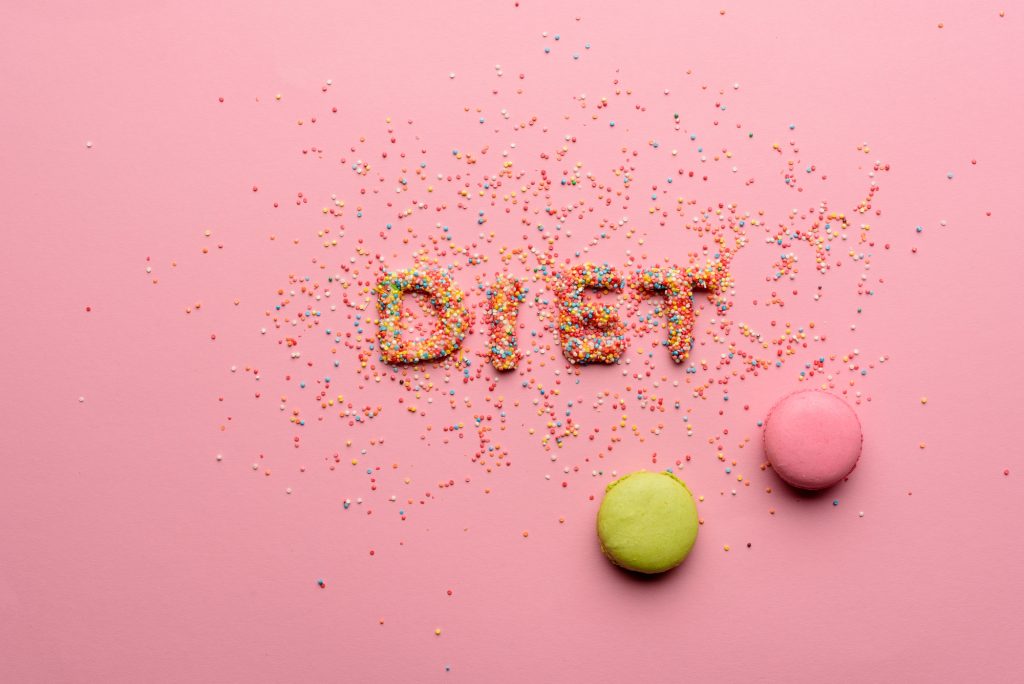
Diets: What’s the Key?
Diets can be a useful tool, but many take an extreme or unsustainable approach, leading to the infamous «rebound effect.» The key is not to live on a diet but to adopt a long-term healthy eating style.
What About Restrictive Diets?
They can cause nutrient deficiencies, affecting energy and metabolism.
They generate anxiety and extreme hunger, which can lead to binge eating.
They don’t create healthy habits; they only work in the short term.
Some, like very low-carb or low-fat diets, can affect hormonal health.
Healthy Eating Habits from Childhood
If children grow up with a good relationship with food, they won’t have to rely on diets in the future. Including a variety of foods and avoiding labeling them as «good» or «bad» is very important.
Carbohydrates: Essential for energy, best in whole-grain versions.
Proteins: Help with muscle development and satiety.
Healthy fats: Fundamental for brain function and hormones.
Vitamins and minerals: Keep the body strong and healthy.
It is very IMPORTANT not to eliminate food groups unnecessarily, not to punish your body with hunger, and not to use food as a reward or punishment.
Listening to Your Body is Key
Eat when you’re hungry and stop when you’re satisfied.
Healthy Habits Start at Home
Involve children in cooking.
Eat together as a family without screens.
Encourage physical activity.
Forget Diets, Adopt a Healthy Lifestyle
It’s not about counting calories all the time, but about making smart choices and enjoying food without guilt.
Healthy Eating: A Balanced Lifestyle
There is no single perfect diet, but there are key principles for a healthy and sustainable way of eating. I suggest an approach based on macronutrient balance, real foods, and mindful habits.
#yourmoment